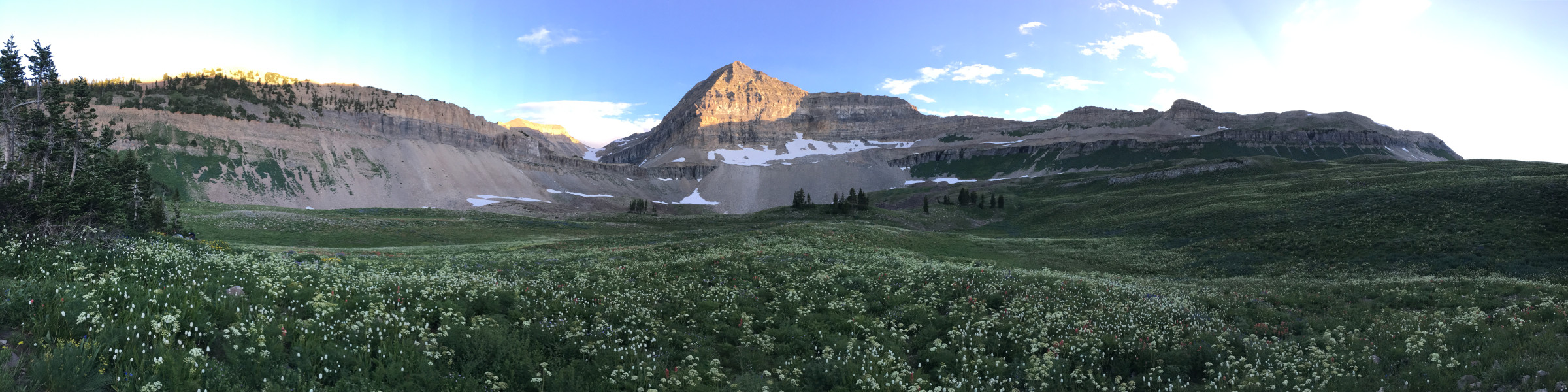
I've seen Checkermallow in the wild before, but recently I found a place where it was abundant, so I took the opportunity to try this edible plant. Distinguishing the exact species with Sidalcea, the Checkermallow genus, is a bit technical, so I would not be surprised if other species Checkermallow taste similar.
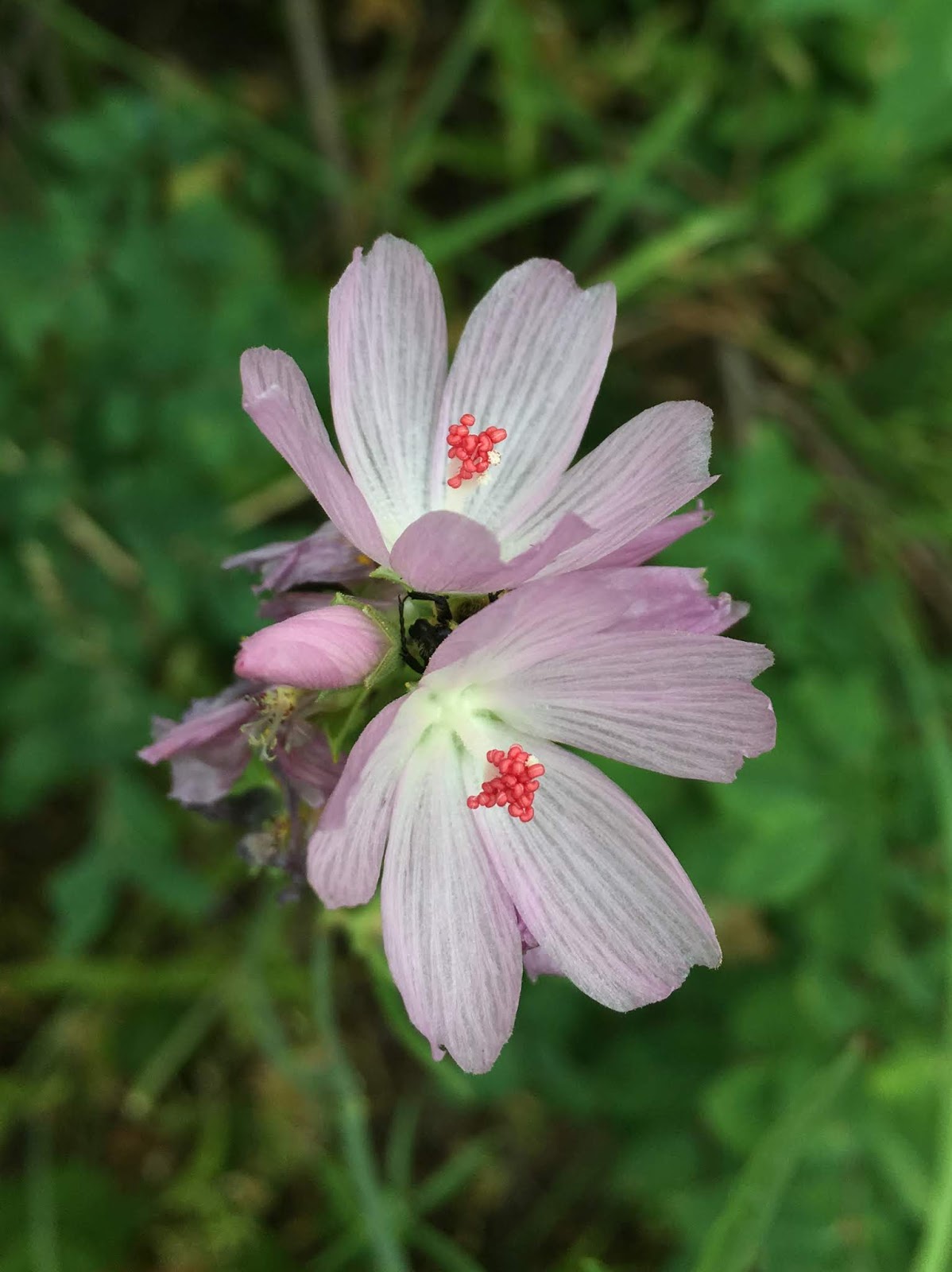
Checkermallows can be recognized by their light pinkish or purplish flowers, which have the filaments of the stamens united into a tube projecting up from the center of the flower. The united filaments are characteristic of the entire Mallow family. You should also notice how the petals in the flower buds spiral together. Besides the flowers, you should look for the distinctive fruits, often referred to as "cheesies". And a final distinctive feature of checkermallows is how the leaves are lobed, but the lower leaves are fuller with shallow indentations between the lobes, while the uppers leaves get progressively narrower lobes and deeper and wider indentations.
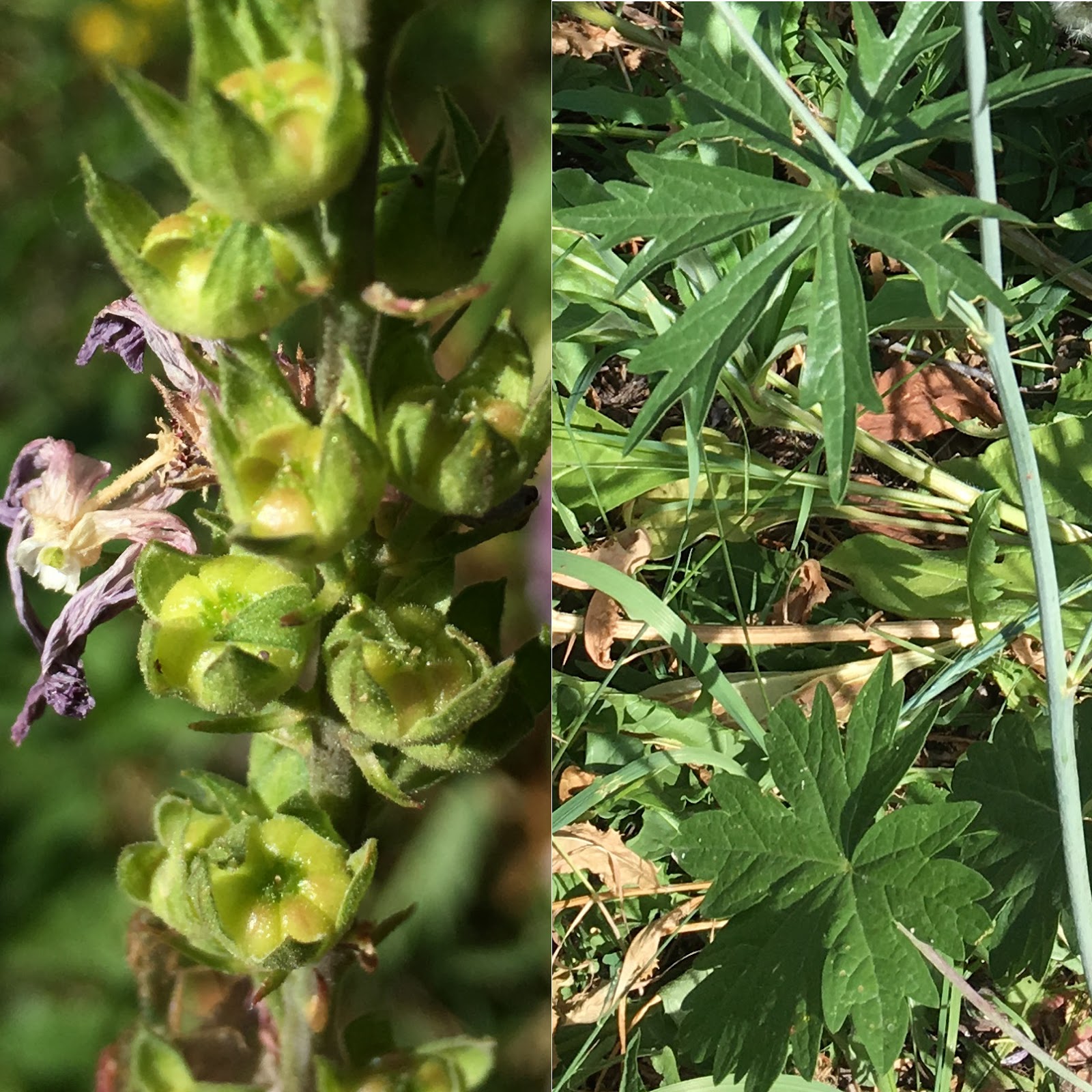
I am happy to report that the taste of Checkermallows is quite agreeable. The leaves are mild and pleasant tasting. I would recommend them both alone and in a salad with other greens. The fruits, which are often called "cheesies" because they resemble a miniature cheese wheel, were especially good. They were softer and more juicy than other types of mallow I have tried in the past. (For example, malva neglecta.) They tend to fall apart into segments easily if you try to squeeze them out of the enclosing sepals, but I would recommend them as a very tasty nibble any time you can find them.