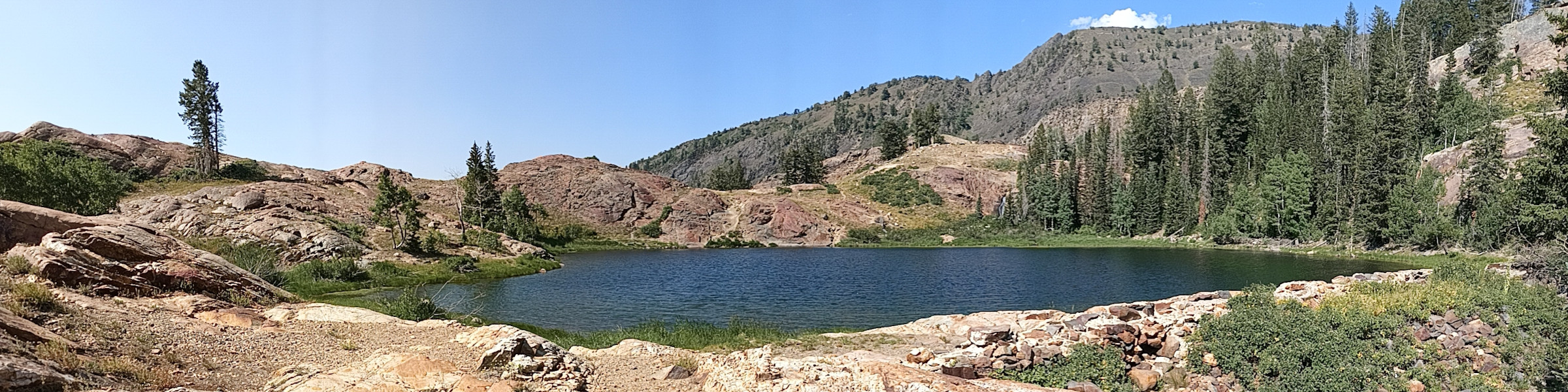
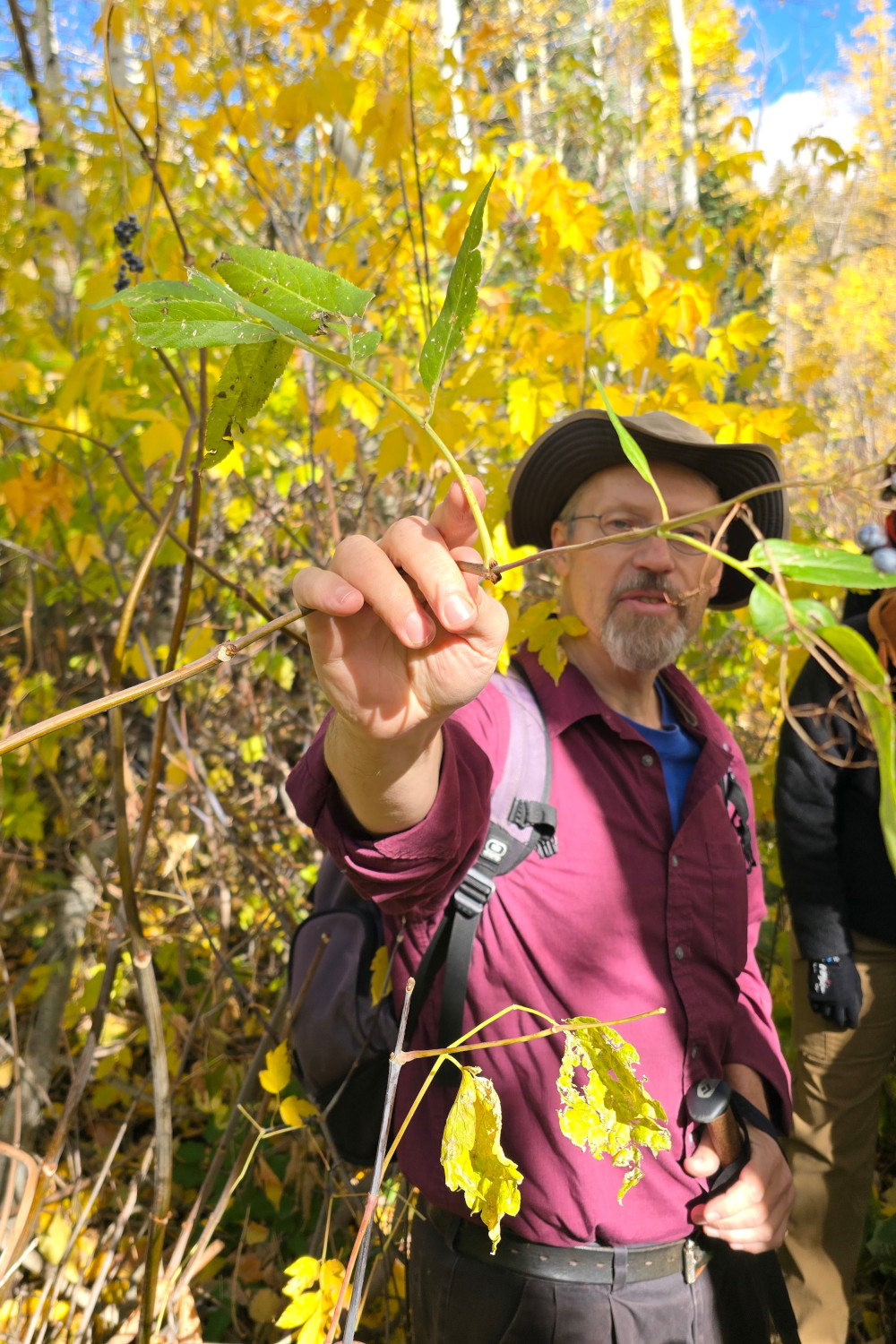
On October 15th, 2025, I lead an edible plants hike for the Utah Outdoor Recreation Summit at Aspen Grove Trailhead. This is a annual conference put on by the Utah Division of Outdoor Recreation. It brings together government agencies, nonprofits, businesses, and community leaders to talk about how outdoor recreation supports Utah’s economy, communities, and quality of life.
On the second day of the summit, they offer a variety of outdoor sessions, doing activities such as hiking, mountain biking, off-road vehicles, rock climbing, boating, and environmental preservation activities. They asked me to lead a foraging hike this year. They told me that out of all the available activities, the foraging hike was the first to fill to capacity. This shows that foraging has the interest of many people, and even with all the recent books which have been published, is probably still lacking enough experts to serve the needs of those who are interested in learning more.
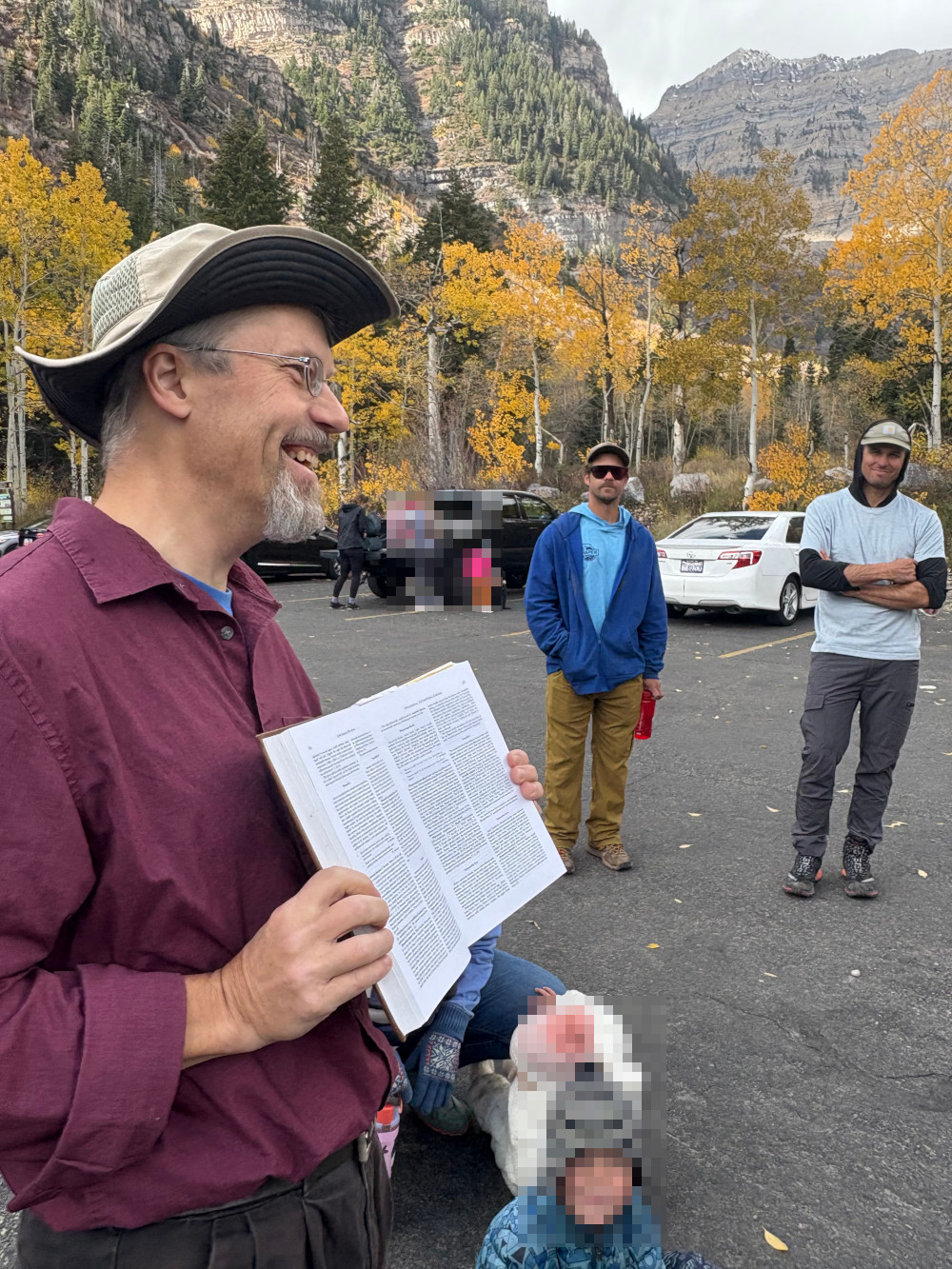
Before heading off to their various locations the groups met up at Rock Canyon. While waiting for stragglers, I was able to teach them about hackberries which grow at this location and are one of the most important plants for winter foraging. We munched on a few berries from the trees there, and tasted hackberry milk, which I make by blending up the berries with water, in the same way one would make almond milk.
We all drove up to the Aspen Grove trailhead parking lot, where I gave a short introductory talk about foraging. Then we proceeded to look at edible plants near the parking lot, such as elderberries and oregon grape. After that, as often happens in the mountains, the weather started to turn on us, and did a few things, including rain and hail. The participants braved it all rather well, as we looked at raspberry bushes with no berries left. And as it rained on us, I was able to show milkweed and mullein, and explain the many edible, medicinal, and other uses for those plants. They are two of my favorite natural sources for firestarting materials, but unfortunately with the rain, there were no actual firestarting demonstrations that day.
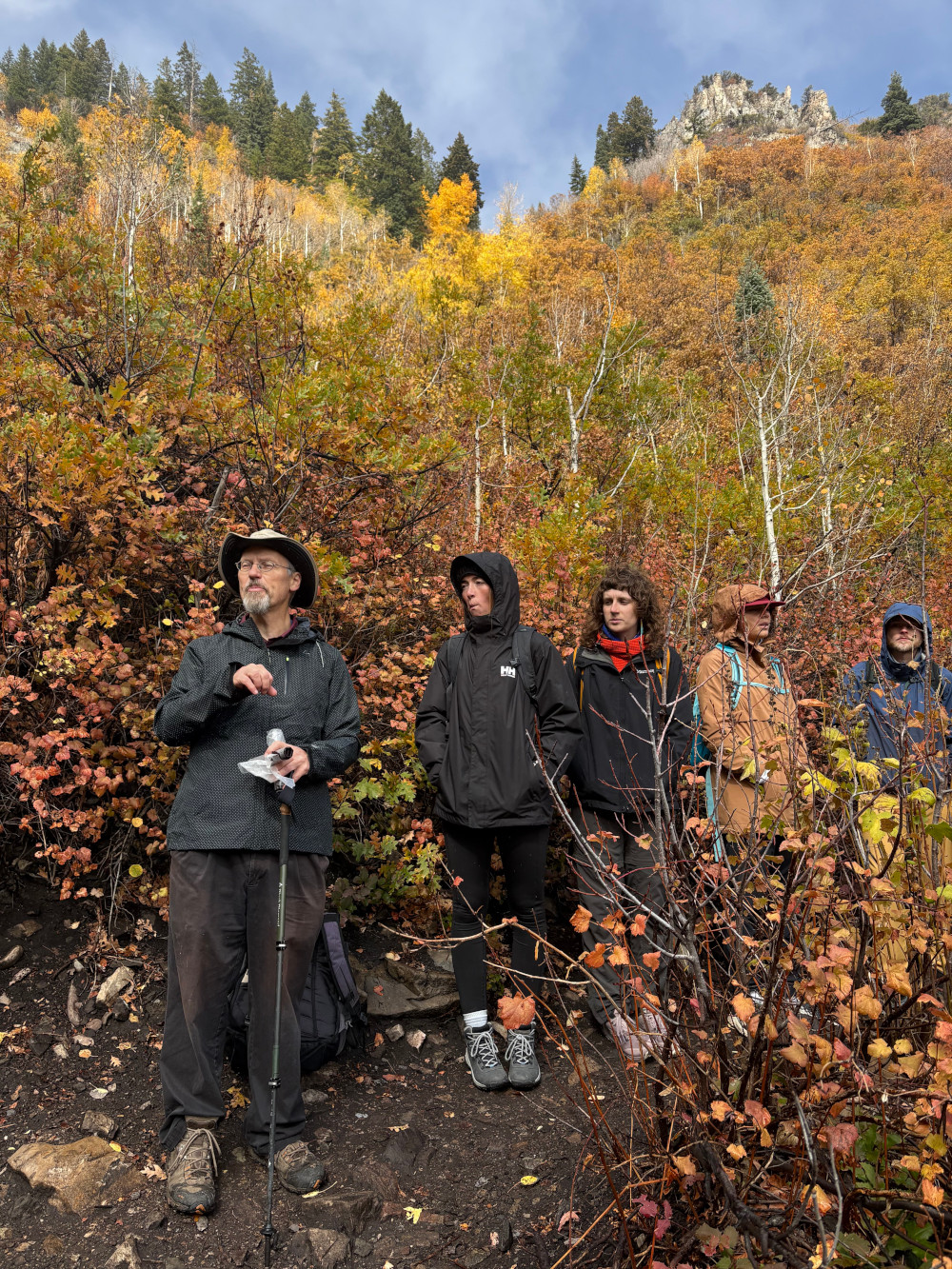
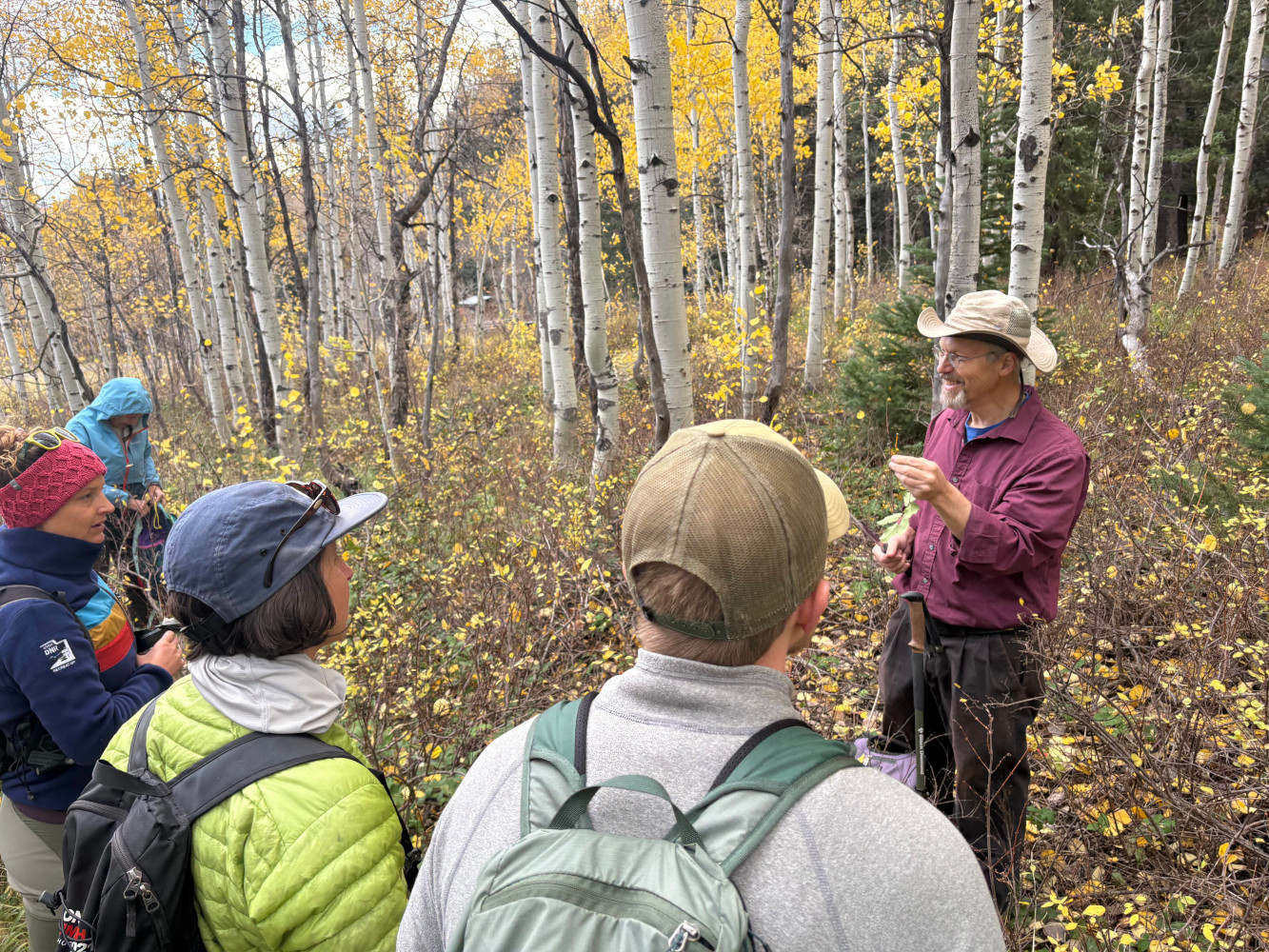
The weather cleared up as we made our way up the trail. As with many of these hikes we did not get very far, because we stop so often to learn about the plants. As we progressed up the trail, I was able to show them edible plants such as oak (acorns), chokecherry, serviceberry, as well as medicinal plants such as yarrow and motherwort.
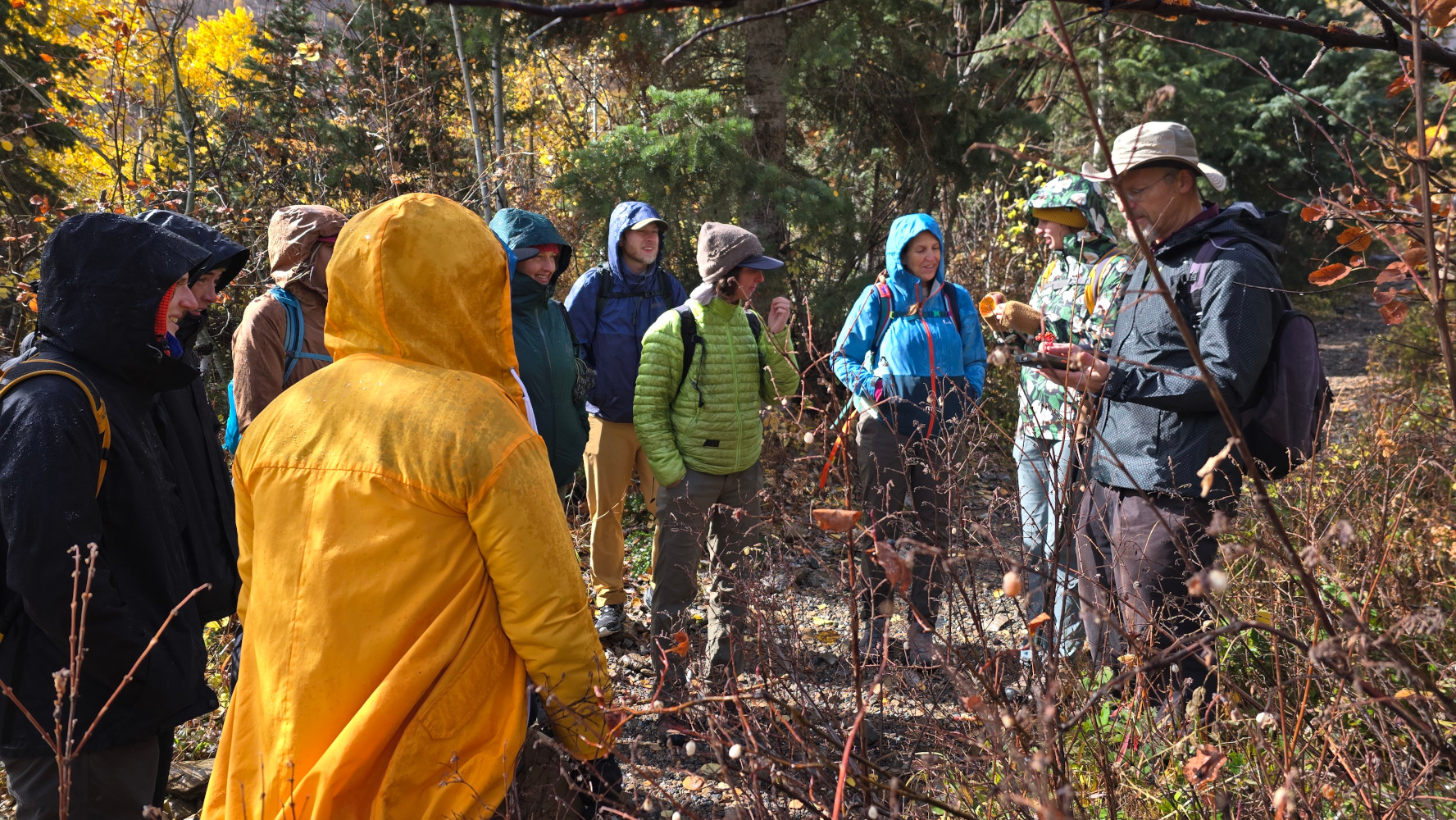
October is very late in the season for really good foraging, but there was still a good variety of plants around, even as the leaves were changing colors and falling off. We were able to find several kinds are berries, which are always the highlight of fall foraging, including elderberries, serviceberries, chokecherries, and oregon grape. Some of the braver people also sampled mountain ash berries, which are nominally edible, but taste terrible. There were rose hips, a few acorns, stinging nettle. The raspberries and milkweed were far past their edible stage, but the milkweed in the fall is excellent for making cordage and starting fires, at least when it is dry.
The medicinal plants we talked about included the yarrow, motherwort, and mullein mentioned above, but also catnip, juniper, deer brush, and goldenrod.
We did not get far enough up the trail to see everything I had seen when I scouted out the area a few days previous. But farther up the trail there was fireweed (dead), thimbleberry (dried), mountain gooseberry (very few left), bittercress, and brook saxifrage. Most of these were old or dead, so while it may have been good to see the plant, they probably didn't really miss out on anything good to eat this late in the year.
I lead at least 12 edible plants hikes this year. This was the highest profile hike I did. But I'm planning on doing more next year. Click on the subscribe link to receive notifications of events.