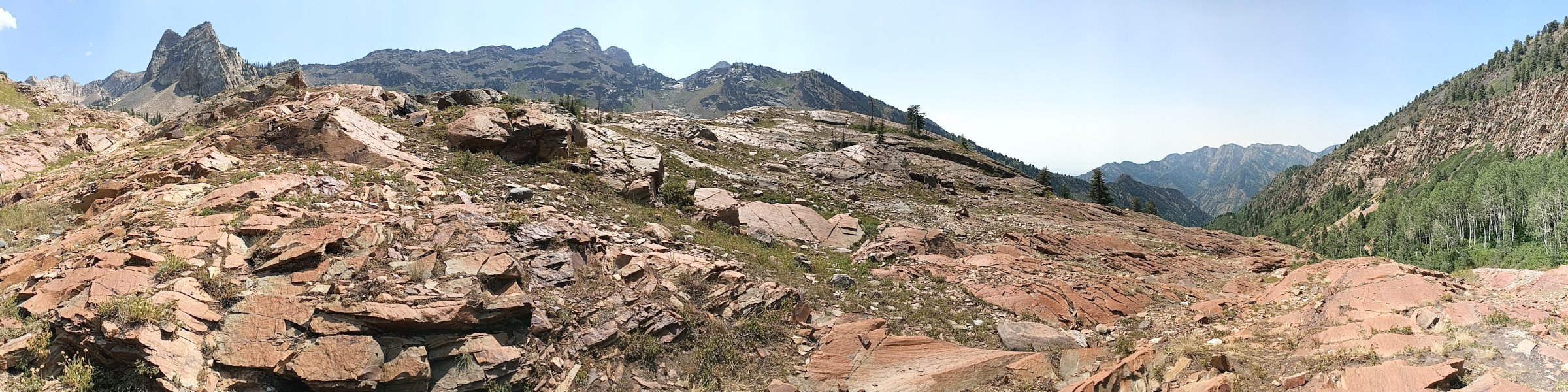
Blackberries are not particularly common in my area. They are not normally found growing in the wild in the desert or my relatively dry mountains. They are usually found in the valley, near streams in places where they have probably escaped from cultivation. They need a lot of water, so they are mainly found in the pacific northwest, where they can be a problematic weed, and along the coasts.
But I have been foraging blackberries longer than any other wild plant, because we found and identified them in a local wilderness park years ago, and starting going back every year to pick a bunch of blackberries. We would eat them with cheesecake, or some other pastry, and freeze any remaining for later.
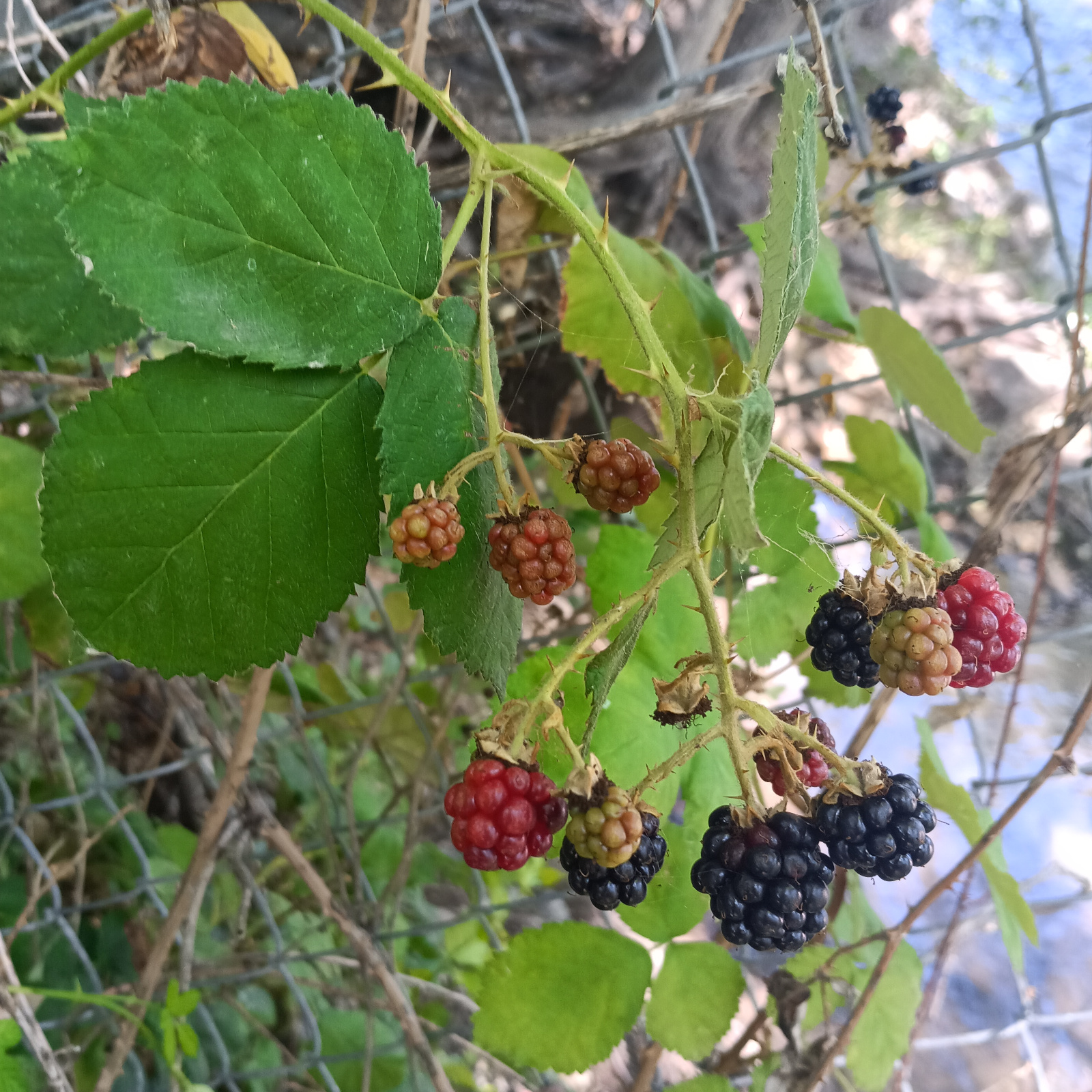
Blackberries are one of the easiest fruits to identify. Just look for the aggregate fruit, which is typical of blackberries and raspberries. All of these aggregate fruits are in the Rubus genus, and all are edible. In most Rubus species, the fruit come off the receptacle, like raspberries do. In blackberries, the receptable is also edible and comes off with the fruit. Some botanists will divide the blackberries into multiple species, so you might find blackberries called Rubus discolor or Rubus bifrons, etc., but they all have the edible recepticle which remains with the fruit.
If the fruit isn't ripe yet, there are other ways to identify the plants. They grow long canes which tend to bend over as they get too tall to hold their own weight. They have dangerous thorns, so leather gloves are highly recommended for picking wild blackberries. (The common raspberry, Rubus idaeus, has smaller, less dangerous prickles.) The thorny canes tend to form dense entangled masses, so another common name for blackberries is brambles. The leaves are compound, and usually lighter colored on the underside. The white flowers and fruit appears at the end of second year canes in loose clusters.
Ripe blackberries are black, but they proceed from green to red to black as they mature.The red ones are very tart instead of sweet, and while I don't like eating the unripe red ones by themselves, when I am crushing up blackberries to use as a cheesecake topping, including a few reddish ones can add some delicious tartness to the mix.
Of course the very best use of blackberries is to eat them right off the vine as soon as you pick them. But if you can resist that, there are so many options for them. Besides the cheesecake topping already mentioned, they are great in fruit cobbler and mixed berry pies. The ones we freeze are often used in frozen fruit smoothies. And if you have a lot, jam is always a good way to preserve fruit.